Massage Benefits for Chronic Pain Sufferers: Top Therapies
- May 28
- 8 min read
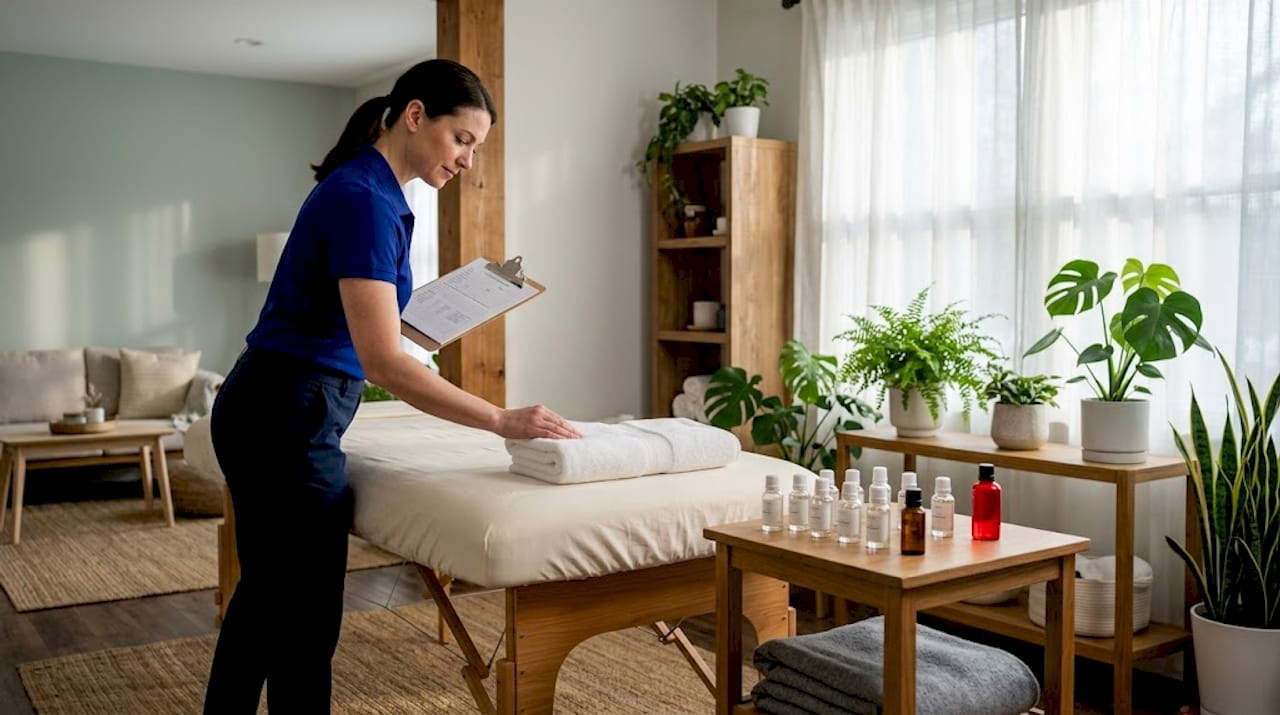
Living with chronic pain is exhausting. It affects your sleep, your mood, your ability to do the things you love. The good news? The massage benefits for chronic pain sufferers are real, well-researched, and growing. Massage therapy for pain relief works by relaxing muscles, improving blood flow, and actually interrupting pain signals before they reach your brain. This article breaks down the top massage therapies for chronic pain, what the research shows, and how to choose the right approach for your specific situation.
Table of Contents
Key takeaways
Point | Details |
Research supports massage | Six systematic reviews upgraded evidence certainty to moderate for chronic low back pain and fibromyalgia. |
Multiple mechanisms at work | Massage reduces muscle tension, improves circulation, and calms the nervous system simultaneously. |
Right type matters | Deep tissue, myofascial release, and lymphatic drainage each target different aspects of chronic pain. |
Massage works best combined | Pairing massage with physical therapy and exercise produces better results than massage alone. |
Generally safe for most people | No serious adverse events were reported across major massage therapy research reviews. |
1. Massage benefits chronic pain sufferers: what the research shows
Before choosing a massage type, it helps to understand what chronic pain actually responds to. Not all therapies are created equal, and knowing the criteria for evaluation saves you time, money, and disappointment.
Here is what matters most when evaluating any massage therapy for chronic pain:
Muscle tension relief. Chronic pain often involves tight, knotted muscle fibers that restrict movement and generate constant discomfort. A good therapeutic massage releases these adhesions.
Circulation improvement. Increased blood flow flushes metabolic waste products from tissue and speeds up healing. Poor circulation is a hidden driver of persistent pain.
Nervous system calming. Massage stimulates competing nerve fibers that can reduce pain signals traveling to the brain. Think of it as closing the gate on pain messages.
Range of motion support. Stiff joints and shortened connective tissue limit movement and worsen pain over time. Effective massage therapy restores flexibility.
Safety profile. No serious adverse events were reported across major research reviews, which is reassuring. Still, some conditions like blood clotting disorders or active infections require medical clearance first.
Pro Tip: Always tell your massage therapist about your specific diagnosis before the session begins. This allows them to adjust pressure, technique, and focus areas to match your condition safely.
2. Deep tissue massage for chronic pain
Deep tissue massage is probably the first thing you think of when chronic pain comes up. And for good reason. It goes directly after the deeper layers of muscle and connective tissue, releasing the adhesions that build up over years of tension, injury, or repetitive strain.
Deep tissue massage targets adhesions by applying slow, firm pressure across muscle grain. This breaks up scar tissue and restores normal movement patterns. Clients with chronic low back pain and fibromyalgia tend to see some of the most consistent results from this approach.
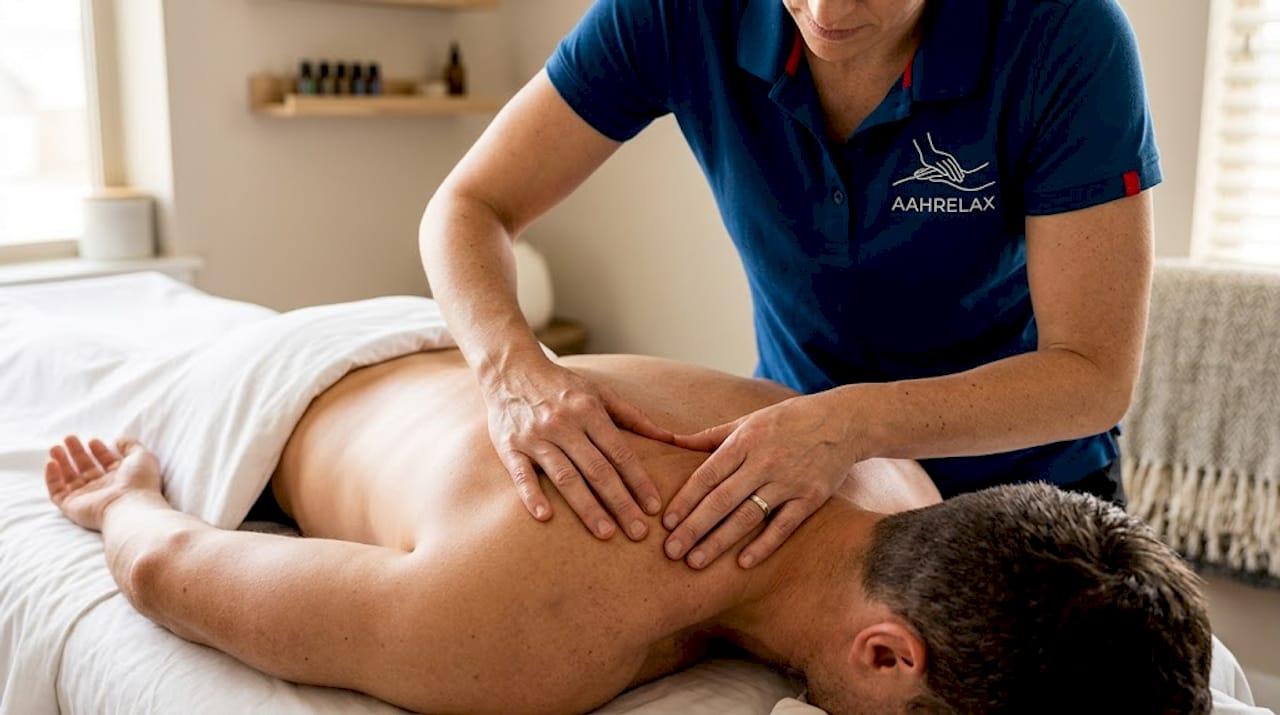
The physical benefits are only part of the picture. Deep tissue massage also reduces stress hormones while increasing serotonin and dopamine. That neurochemical shift directly lowers your sensitivity to pain. Many chronic pain sufferers also report sleeping better after regular sessions, which creates a positive feedback loop since poor sleep amplifies pain perception.
Key benefits at a glance:
Releases deep muscle adhesions and improves flexibility
Improves circulation and tissue oxygenation
Supports better sleep through nervous system regulation
Reduces stress hormones that heighten pain sensitivity
Backed by moderate certainty evidence for chronic low back pain and fibromyalgia
Pro Tip: Expect some soreness 24 to 48 hours after your first few deep tissue sessions. Drink extra water to help flush released metabolic waste, and communicate openly with your therapist about pressure levels throughout.
If you have osteoporosis, a recent fracture, or active inflammation, talk to your doctor before booking a deep tissue appointment. Firm pressure is not right for every body.
3. Myofascial release and fascia-focused therapies
Fascia is the connective tissue web that wraps around every muscle, organ, and bone in your body. When it tightens or develops restrictions, pain can radiate far from the original problem site. This is why some chronic pain sufferers get treatment in one area but feel relief somewhere entirely different.
Myofascial release uses sustained, gentle pressure to stretch and soften fascial restrictions. It addresses postural imbalances, spinal alignment issues, and the kind of diffuse, hard-to-pinpoint pain that other therapies miss.
The research behind this approach is compelling. A 6-week fascia-focused program reduced pain scores by 3.21 points on the numerical rating scale in chronic low back pain patients. It also reduced depression scores by 9.30 points, which is significant because chronic pain and mood disorders are deeply intertwined.
What makes this therapy stand out:
Targets tissue stiffness rather than just muscle knots
Addresses spinal and pelvic alignment imbalances
Measurably improves both pain and depressive symptoms
Particularly useful for chronic pain that defies standard treatment
Sessions typically last 60 to 90 minutes. Most practitioners recommend weekly appointments for at least four to six weeks before evaluating results. Myofascial release tends to feel gentler than deep tissue but produces a deep sense of release that clients describe as almost meditative.
If you are dealing with fibromyalgia or tension-related headaches, yoga and related gentle therapies can complement myofascial release work well between sessions.
4. Lymphatic drainage massage for post-surgical and inflammatory pain
Lymphatic drainage massage operates on a different principle than the others on this list. Rather than targeting muscle tissue directly, it focuses on stimulating the lymphatic system to drain excess fluid, reduce swelling, and support tissue repair.
This matters for chronic pain sufferers in specific ways:
Post-surgical pain. Lymphatic massage reduces swelling and breaks down scar tissue that forms after procedures. This directly reduces the stiffness and discomfort that can linger for months.
Inflammation-driven pain. Conditions like rheumatoid arthritis or chronic regional pain syndrome involve ongoing inflammatory processes that lymphatic drainage can help moderate.
Tissue healing. By improving circulation and lymph flow, this therapy promotes faster recovery and less residual pain.
Post-surgical patients who receive lymphatic drainage typically show improved range of motion and lower anxiety compared to those who skip it. Calmer tissue heals better, and less swelling means less pressure on nerve endings.
Pro Tip: Lymphatic drainage uses very light pressure. If your therapist is pressing hard during this technique, speak up. The effectiveness comes from the gentle rhythmic movement that stimulates lymph vessels just beneath the skin.
This therapy is also well suited for seniors recovering from joint replacement surgeries. Gentle, consistent sessions accelerate healing without placing undue stress on vulnerable tissue.
5. Comparing popular massage types for chronic pain
Choosing the right massage style does not have to be a guessing game. The table below gives you a clear side-by-side view of the top options.
Massage type | Best for | Intensity | Key benefit | Frequency |
Deep tissue | Low back pain, fibromyalgia, muscle adhesions | High | Releases deep muscle tension and adhesions | Weekly to biweekly |
Myofascial release | Postural pain, diffuse aching, headaches | Low to moderate | Targets fascial restrictions and alignment | Weekly for 4 to 6 weeks |
Lymphatic drainage | Post-surgical recovery, swelling, inflammation | Very light | Reduces fluid buildup and promotes healing | 2 to 3 times per week initially |
Swedish massage | Stress-related pain, mild tension, general wellness | Light to moderate | Relaxes nervous system, improves circulation | Weekly or as needed |
Acupressure | Nerve pain, tension headaches, fatigue | Moderate | Stimulates pressure points to reduce pain signals | Weekly |
Swedish massage deserves a mention even though it sits on the gentler end of the spectrum. Massage as a complementary therapy works partly through the nervous system, and Swedish techniques are particularly effective at inducing the parasympathetic response that lowers overall pain sensitivity. For people whose pain is significantly worsened by stress, Swedish massage can be a powerful starting point before progressing to deeper work.
6. How to choose the right therapy for your pain type
Your specific condition should guide your choice. Here is a practical breakdown.
Chronic low back pain: Start with deep tissue or myofascial release. Both have solid research support. Deep tissue addresses muscle adhesions directly. Myofascial release is better if your pain is diffuse or postural.
Fibromyalgia: Begin with lighter pressure. Swedish massage or myofascial release is less likely to trigger flares than deep tissue. Gradually increase intensity as your body adapts over several sessions.
Post-surgical recovery: Lymphatic drainage is your best first step. Once swelling resolves, transition to myofascial release to address scar tissue and restore range of motion. You can explore in-home senior massage options if you have limited mobility that makes traveling to a clinic difficult.
Nerve pain and tension headaches: Acupressure and myofascial release both address the neurological components of pain. Many practitioners combine these within a single session.
One factor that cuts across all of these choices is consistency. A single session produces temporary relief. A program of regular appointments produces lasting change. Budget your sessions as you would any other health investment.
My honest take on massage for chronic pain
I have seen what happens when people treat massage as a last resort. They arrive frustrated, skeptical, and often convinced nothing will help. And I have watched those same people leave with less pain, better posture, and something they had almost given up on: hope.
But I want to be honest with you. Massage is not a cure. Massage works best combined with physical therapy, movement, and stress management. What it does brilliantly is create the conditions for everything else to work better. When your nervous system is calmer and your muscles are less guarded, you move better. When you move better, you hurt less. That cycle is real.
What I have also learned is that body awareness matters. Massage increases body awareness, which helps you recognize tension patterns before they become pain episodes. That kind of knowledge is genuinely empowering. You stop feeling like a passive victim of your body and start feeling like someone with tools.
One thing I always tell people: if your pain worsens significantly after a session, or if you develop new symptoms, that is a signal to check in with your doctor. Most soreness is normal. Sharp new pain is not.
The best chronic pain management plan I have seen combines professional massage with movement, good sleep hygiene, and stress reduction. Massage does not carry that plan alone. But it makes every other part of the plan work better.
— AahRelax
Experience lasting relief with Aahhrelax in-home massage
You deserve care that meets you where you are. Literally.

Aahhrelax brings professional, personalized massage therapy directly to your home in Los Angeles County and Orange County. Our trusted therapists specialize in treatments that target chronic pain, including deep tissue, lymphatic drainage, and Swedish massage. No driving. No waiting rooms. Just skilled hands and real relief in the comfort of your own space.
Whether you are managing lower back pain, recovering from surgery, or dealing with the persistent ache of fibromyalgia, we have a treatment designed for you. Seniors with limited mobility can take advantage of our gentle in-home chair massage option. Those in recovery will appreciate our lymphatic and post-surgical focused sessions.
Ready to feel better? Book your session today and experience the difference personalized in-home care can make.
FAQ
Is massage good for chronic pain?
Yes. Moderate certainty evidence supports massage therapy for chronic low back pain, fibromyalgia, and myofascial pain. It reduces muscle tension, improves circulation, and calms the nervous system to lower pain sensitivity.
How often should chronic pain sufferers get massages?
Most practitioners recommend weekly sessions for at least four to six weeks to see lasting results. Frequency depends on your condition, with lymphatic drainage often scheduled two to three times per week initially for post-surgical recovery.
What type of massage is best for chronic back pain?
Deep tissue massage and myofascial release are both well-supported for chronic low back pain. Deep tissue works best for muscle adhesions and tension. Myofascial release is more effective for diffuse, postural, or stress-related back pain.
Can massage replace my other chronic pain treatments?
No. Massage is most effective as a complementary therapy alongside physical therapy, exercise, and medical care. It enhances the effectiveness of other treatments by reducing muscle guarding and improving body awareness.
Are there risks to massage therapy for chronic pain?
Massage therapy is generally very safe. No serious adverse events were reported across major research reviews. People with blood clotting disorders, active infections, or osteoporosis should get medical clearance before starting massage therapy.
Recommended


Comments