In-Home Massage Benefits for Stress Relief: Your Guide
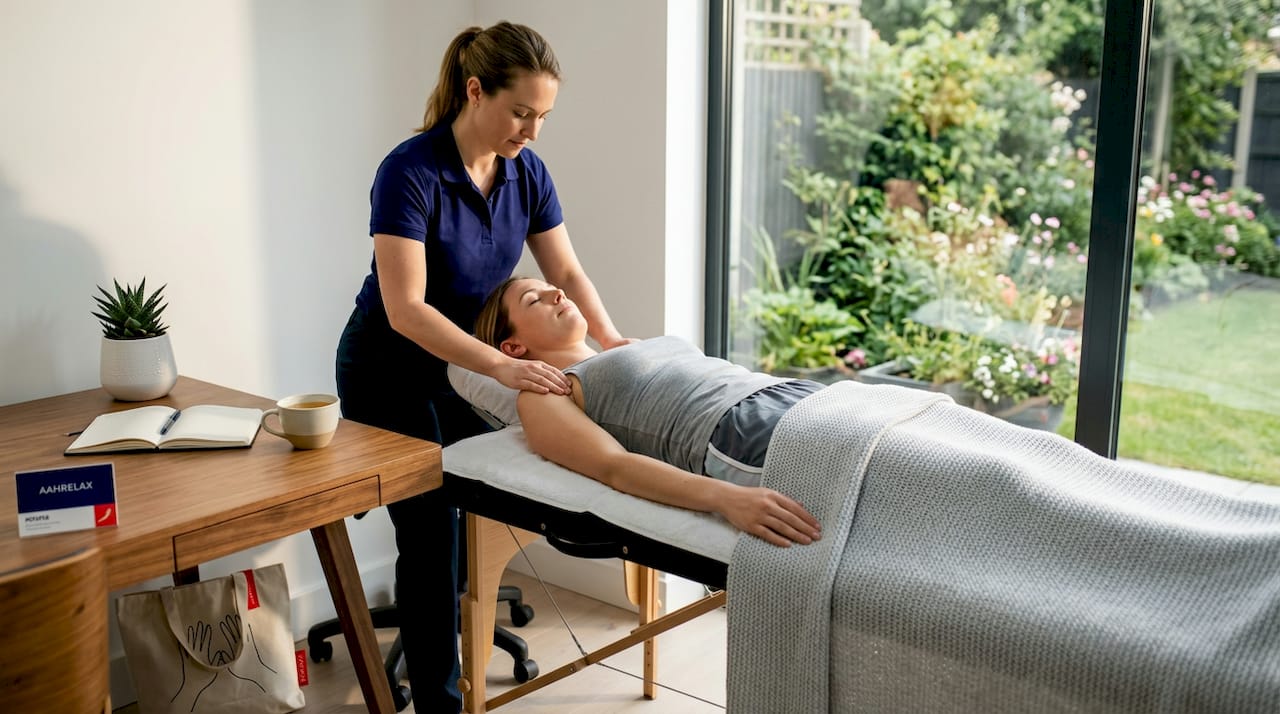
Stress has a way of accumulating quietly until your body demands attention. Tight shoulders, poor sleep, a mind that won’t stop racing — these are signals you can’t afford to ignore. The good news is that the benefits of in-home massage stress relief go well beyond a temporary treat. Mobile massage therapy, the professional term for at-home sessions delivered by licensed therapists, brings clinical-grade relaxation directly to your living room. This guide breaks down what that actually means for your body, your sleep, your mood, and your long-term wellness.
Table of Contents
1. Benefits of in-home massage stress relief: what you need to evaluate first
2. How massage therapy cuts your cortisol and calms your nervous system
3. Better sleep: one of the clearest at-home massage advantages
4. The real convenience of in-home massage, and why it matters for stress
5. Personalized sessions that match your specific stress profile
6. How consistent access builds real stress management habits
7. Comparing in-home massage with other stress relief options
Key takeaways
Point | Details |
Cortisol drops measurably | Massage therapy can cut your stress hormone levels by up to 30% per session. |
Sleep improves with consistency | Regular at-home sessions increase how quickly you fall asleep and deepen your rest. |
Convenience removes the barriers | Skipping travel and waiting rooms makes it far easier to stick with a wellness routine. |
Personalization increases results | Sessions tailored to your specific needs produce better outcomes than generic spa treatments. |
Habit beats intensity | Frequent shorter sessions outperform occasional long ones for sustained stress management. |
1. Benefits of in-home massage stress relief: what you need to evaluate first
Not all stress relief methods are created equal. Before you invest time and money, it helps to know what actually separates an effective option from one that feels good once and fades fast.
Here is what to look for:
Physiological impact. Does it actually lower your stress hormones and ease muscle tension? Feel-good is not enough. You want measurable change in how your nervous system responds.
Convenience and accessibility. If you have to fight traffic to reach a spa, you have already added stress before the session starts. The best option fits your life without friction.
Personalization. Generic treatments miss the mark. A session that addresses your specific pain points — tight neck, lower back tension, anxiety-driven insomnia — delivers far more value.
Consistency potential. A one-off treatment is a bandage. Sustained stress relief comes from regular practice. Ask yourself whether you can realistically maintain this habit.
Cost and value. Luxury does not have to mean unaffordable. Look for transparent pricing, and factor in the cost of travel, parking, and time you won’t have to spend.
Pro Tip: Book your first in-home session during a typically stressful week, not on a day off. You will feel the contrast more clearly and get a truer sense of how the treatment fits your real life.
2. How massage therapy cuts your cortisol and calms your nervous system
Cortisol is your body’s primary stress hormone, and elevated levels over time cause real harm. Chronic cortisol keeps your heart rate elevated, disrupts digestion, suppresses immunity, and contributes to anxiety. Professional massage therapy targets this directly.
Research shows that massage reduces cortisol by up to 30% per session. That is not a minor shift. That is your body physically leaving its fight-or-flight state and entering recovery mode.
“After a session, clients often describe feeling like they took a long, deep breath for the first time in weeks. That feeling is biochemistry, not imagination.”
The mechanism matters here. Massage activates the parasympathetic nervous system, which slows your heart rate, lowers blood pressure, and signals your muscles to release tension. This is the opposite of the stress response. You cannot fake it with willpower. You need physical stimulus to trigger it, and skilled touch is one of the most direct routes available.
Mood also shifts at the neurochemical level. Massage boosts serotonin and dopamine, the neurotransmitters linked to stable mood and a sense of well-being. Where in-home massage adds an extra layer is in the recovery time after the session. You do not have to get dressed, drive home, or sit in traffic while those neurochemicals are still active. You can stay in your calm space and let the effects fully absorb.
3. Better sleep: one of the clearest at-home massage advantages
Ask anyone dealing with chronic stress what suffers most, and sleep is almost always the answer. Your body holds tension in muscles even while you lie down, and a racing mind compounds the problem. Massage addresses both.
Studies show that sleep latency improves by 26% with regular massage therapy sessions. In plain terms, that means falling asleep faster, moving into deeper restorative sleep stages, and waking up with more actual recovery behind you.
Here is how the improvements break down:
Sleep Factor | What Massage Does |
Time to fall asleep | Reduces muscle tension and mental arousal, helping you settle faster |
Sleep depth | Activates restorative slow-wave sleep by calming the nervous system |
Sleep continuity | Relieves the physical discomfort that causes waking during the night |
Long-term improvement | Consistent sessions yield progressively better results over time |
The muscle side of the equation is often underestimated. Muscle tension disrupts sleep in ways most people attribute to anxiety alone. When your trapezius muscles are knotted and your jaw is clenched, your body stays partially alert. Release that tension before bed, and sleep quality changes noticeably.
Pro Tip: Schedule your in-home session two to three hours before your usual bedtime. This gives your body time to transition from the active work of the massage into deep relaxation, right when you need it most.
4. The real convenience of in-home massage, and why it matters for stress
People underestimate how much the logistics of traditional spa visits undermine the experience. You schedule the appointment, drive across town, find parking, check in, wait in a lobby, get your massage, then face the drive home. By the time you are back, the calm has worn off.
Removing that travel burden is not a small convenience. It is a structural change in how you experience the treatment. When a licensed therapist comes to you, the benefits include:
Your environment is already familiar and calming
No commute stress before or after the session
You can stay in comfortable clothing you chose yourself
Sessions can be scheduled around work, family, and actual availability
Post-session rest is immediately available, whether that means a nap, a bath, or simply lying still
For people managing anxiety specifically, unfamiliar environments add a layer of low-grade stress that undermines the session before it begins. Your home removes that variable entirely. This is a documented advantage of home massage for individuals who find clinic or spa settings difficult to fully relax in.
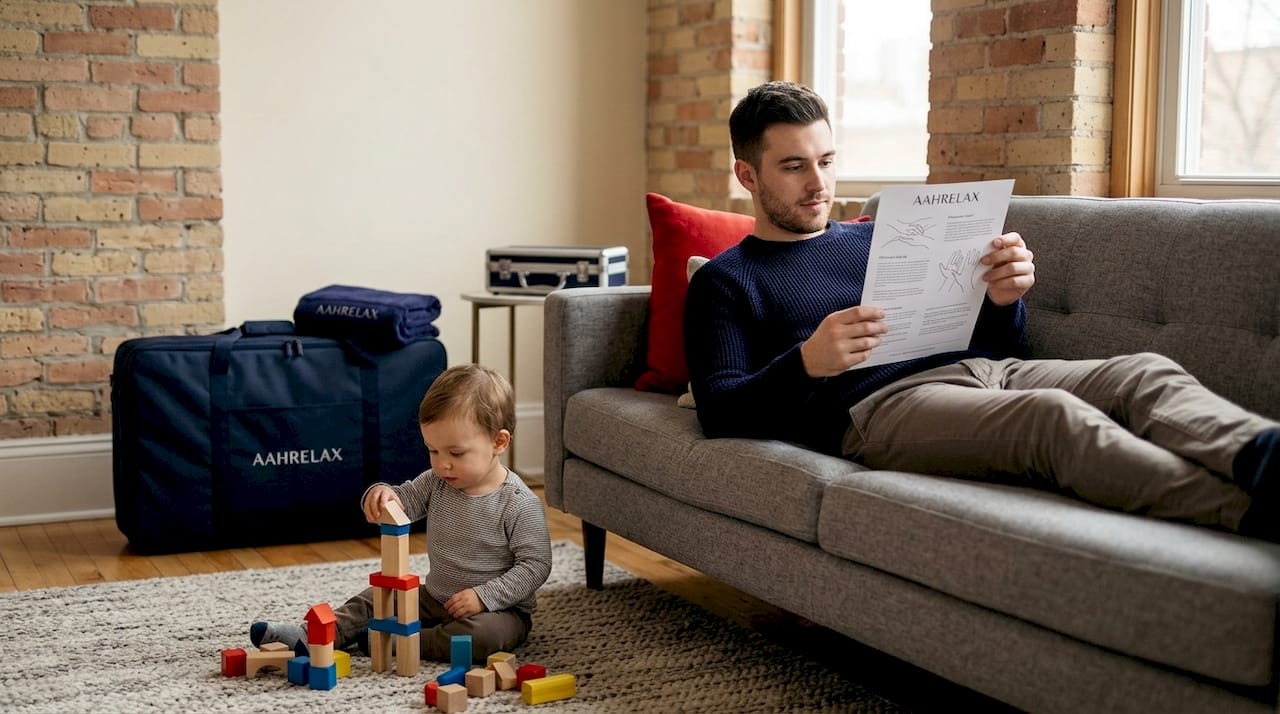
Mobile massage therapy also opens access to people who genuinely cannot travel easily. Seniors, new parents, individuals recovering from injury, and anyone with a packed schedule gain a path to consistent care they would otherwise skip entirely.
5. Personalized sessions that match your specific stress profile
One of the most overlooked stress relief massage benefits is customization. A professional spa visit often means choosing from fixed menu options. An in-home session with a skilled therapist is a conversation about what your body actually needs today.
That distinction is significant. Personalized massage sessions targeted to individual needs consistently produce better outcomes than standard treatments. If you carry stress in your neck and shoulders from sitting at a desk, that can be the focus. If your legs are fatigued from standing all day, the session shifts accordingly.
Massage therapy also improves circulation, delivering more oxygen and nutrients to the tissues that need recovery most. That is not just comfort. It is physical repair happening in real time, directed precisely where you need it. The result is a session that feels built for you rather than one you had to adapt to.
6. How consistent access builds real stress management habits
Here is a truth most people discover the hard way. One massage feels great. Ten massages across three months actually changes how you handle stress.
Consistent massage therapy outperforms infrequent long treatments for sustained stress and muscle recovery. The research is clear: regularity matters more than duration. A 60-minute session every two weeks beats a single two-hour session once a quarter, both for physiological impact and for the habit it builds.
The home setting makes consistency realistic. You are not coordinating around spa availability or budgeting for a special occasion. The session comes to you. Accessible in-home care leads directly to better long-term wellness outcomes because people actually follow through.
This also pairs well with other at-home wellness practices. A warm bath, consistent sleep timing, and regular massage form a self-reinforcing loop that makes each element more effective.
7. Comparing in-home massage with other stress relief options
Understanding where mobile massage fits relative to alternatives helps you make a smarter choice for your lifestyle.
Option | Accessibility | Cost per session | Consistency potential | Effectiveness |
In-home mobile massage | High: comes to you | Moderate to premium | High: no travel barrier | High: personalized and professional |
Spa or clinic visit | Moderate: requires travel | Moderate to high | Low to moderate: logistics add friction | High but undermined by travel stress |
Massage chair | Very high: on demand | High upfront cost | Very high | Moderate: limited to pre-set programs |
DIY or partner massage | Very high | Low | High | Low: lacks professional technique |
Meditation apps | Very high | Low | Moderate | Low to moderate for physical tension |
In-home massage does not win every category, but it wins the combination that matters most for people who are genuinely stressed and busy. The professional quality of a licensed therapist plus the accessibility of your own home is a pairing none of the alternatives can replicate. If you are exploring mobile spa options, the convenience factor alone is often what converts one-time clients into regulars.
My take on what most people get wrong about stress relief
I have worked in wellness long enough to see a pattern. People wait until they are burned out to book a massage. They treat it like a reward for surviving something hard rather than a tool that could have prevented the crash.
What I have observed time and again is that the clients who benefit most are not the ones who book the longest sessions. They are the ones who show up consistently. Fifteen minutes of focused neck and shoulder work every week does more than a two-hour deep tissue session every few months. Habit formation is the actual product, and the massage is the vehicle.
The other thing people underestimate is the mental cost of having to go somewhere to get care. I have seen clients who swore they “weren’t spa people” completely transform how they felt about regular massage once they experienced it at home. The environment was the barrier, not the therapy. Removing it changed everything.
My honest advice: do not wait for the breaking point. Build the habit before you need it urgently. Your body will carry less accumulated tension, your sleep will stabilize faster, and the sessions themselves will feel more effective because you are starting from a lower baseline of stress. If you are new to massage therapy for stress relief, learn what a mobile therapist brings to your home before your first session so you know exactly what to expect.
— AahRelax
Experience professional stress relief without leaving home
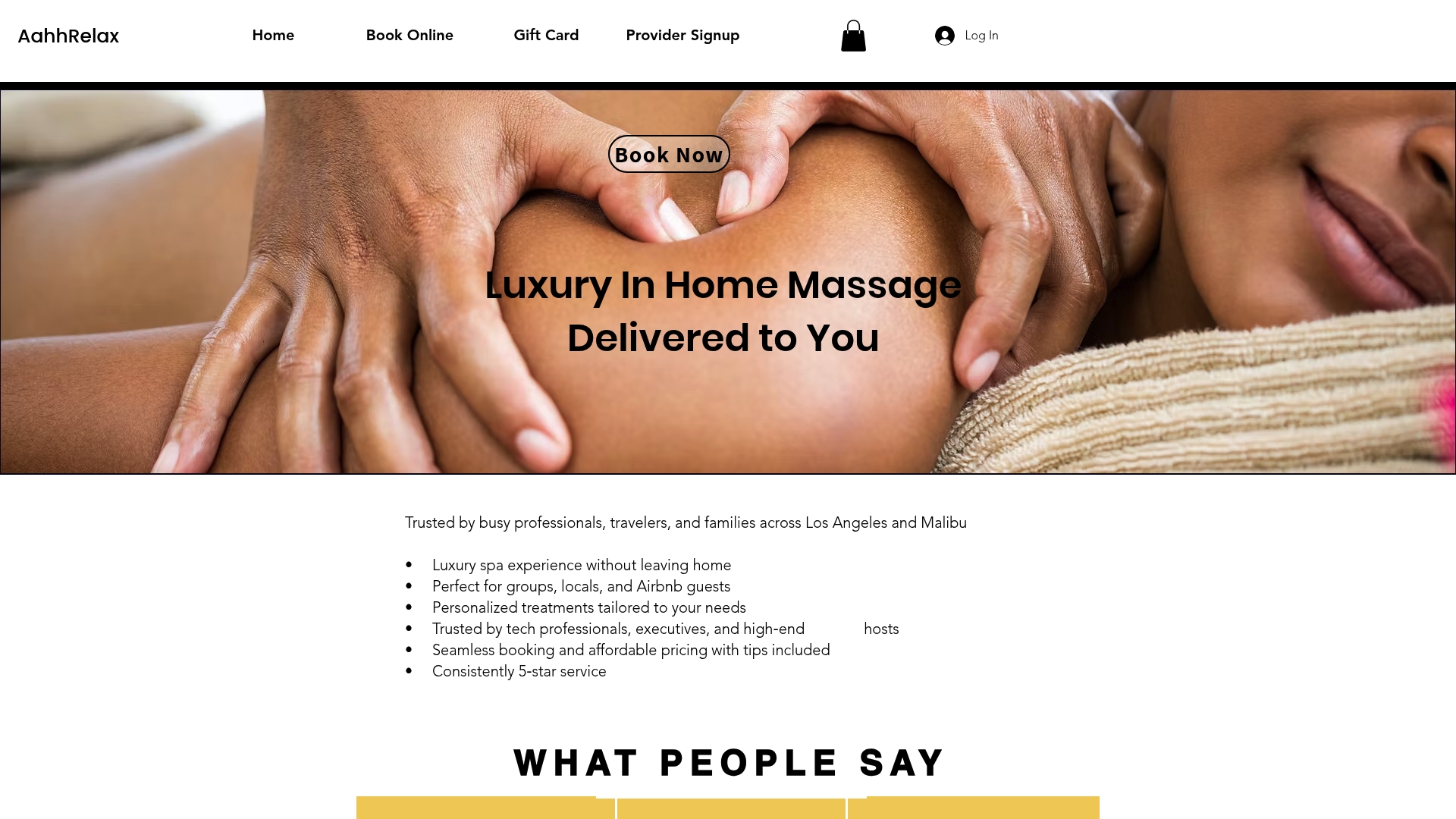
Aahhrelax brings licensed, experienced massage therapists directly to your home across Los Angeles County and Orange County. Whether you need a focused 60-minute session or an extended 90-minute deep relaxation treatment, every session is tailored to your specific needs and stress points. Choose from Swedish, deep tissue, sports, lymphatic, or chair massage at home options, plus specialized sessions for seniors and groups. Tips are included, booking is straightforward, and the only thing you need to do is open your door. Explore the full range of in-home massage services Aahhrelax offers and book a session that fits your schedule today.
FAQ
What are the main benefits of in-home massage for stress?
In-home massage therapy can reduce cortisol by up to 30%, activate the parasympathetic nervous system, and improve sleep quality. The home setting adds the benefit of immediate rest after the session, which deepens and extends the relaxation response.
How often should you get a massage for stress relief?
Consistent sessions every one to two weeks produce better long-term results than occasional longer treatments. Regularity builds cumulative benefits for both stress hormone reduction and sleep quality.
Is in-home massage better than going to a spa?
For stress relief, in-home massage removes the travel and logistics that add pre-session anxiety. The comfort of familiar surroundings and immediate post-session rest make at-home sessions measurably more effective for many clients.
Can massage therapy help with anxiety?
Yes. Massage increases serotonin and dopamine while lowering cortisol, creating a direct neurochemical shift that reduces anxiety symptoms. Home massage for anxiety is particularly effective because the familiar environment removes the stress of unfamiliar clinical settings.
How do I prepare my home for a massage session?
Clear a space large enough for a portable massage table, have comfortable bedding or towels available, and keep the room at a temperature you find comfortable. Your therapist will handle the rest, including bringing all professional equipment needed for the session.
Recommended


Comments