At-Home Spa Experience Essentials: Your Full Guide
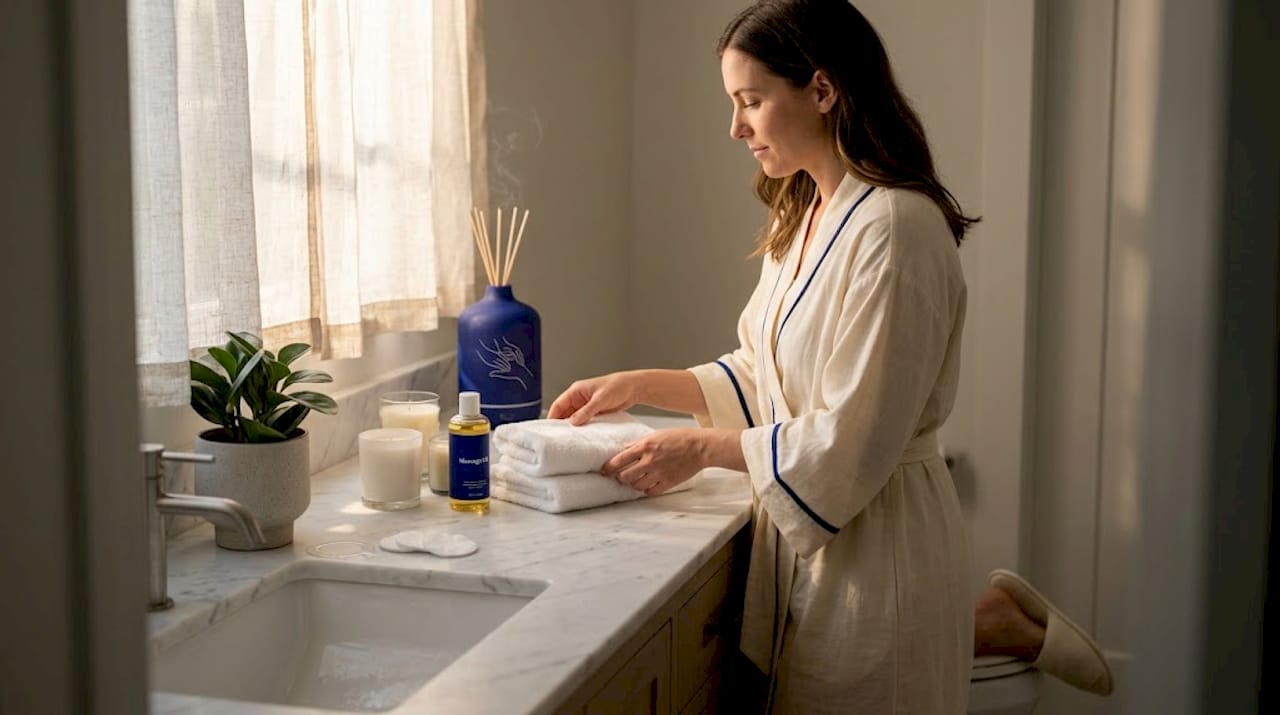
You already know that getting to a spa takes time you don’t always have. But pulling off a genuinely relaxing at-home spa experience essentials list that actually works? That’s where most people get stuck. They buy a few candles, run a bath, and still feel like something’s missing. The difference between a forgettable soak and a truly restorative spa day at home comes down to three things: the right products, the right environment, and a real ritual. This guide covers all three, with specific recommendations and insider tips to help you build your own pampering at home routine that feels luxurious every time.
Table of Contents
Key takeaways
Point | Details |
Sensory layering matters most | Combining scent, light, sound, and temperature together creates the spa atmosphere products alone cannot. |
Sequence your treatments | Apply products in the right order: steam first, then exfoliate, then masks, then moisturize for best results. |
Protect your time | A full spa day at home takes 4 to 6 hours; block it off and hide your phone to protect the experience. |
Rest is not optional | A 15 to 30 minute quiet period after treatments locks in the restorative benefits most people skip. |
Pre-prep everything | Gathering all supplies before you start prevents interruptions that spike cortisol and break the mood. |
1. At-home spa experience essentials start with sensory layering
Most people think a spa day at home is about products. It isn’t. It’s about environment. Searches for spa-inspired bathrooms have risen by 22% to 33%, which tells you something: people aren’t just buying more products, they’re rethinking the entire space.
Sensory layering means deliberately engaging your sight, smell, sound, and touch at the same time. Here’s what that looks like in practice:
Lighting: Replacing harsh overhead lights with warm, dimmable bulbs is the single most impactful change you can make. Candles work beautifully as a supplement, not a replacement.
Scent: Diffuse lavender for calm, eucalyptus for clarity, or bergamot for mood uplift. A few drops of essential oil in a bowl of steaming water works just as well as a diffuser.
Sound: Build a dedicated playlist of 60 to 70 BPM ambient music or nature sounds. Start it before you do anything else and let it run uninterrupted.
Temperature: Optimal room temperature sits between 68 and 72°F, with bath water at 98 to 100°F. Too hot causes tension. Too cool breaks immersion.
Touch: Warm your robe and towels in the dryer for five minutes before you start. That first wrap post-treatment is part of the experience.
Pro Tip: Set up your entire space completely before starting any treatment. Once you’re mid-mask or mid-soak, getting up to find a candle lighter or towel breaks the spell instantly.
2. Body scrubs and exfoliants: what to use and when
Your skin is the canvas. Exfoliation before any treatment clears away dead cells so everything applied afterward actually absorbs. Body scrubs using sugar, salt, or coffee each offer distinct benefits worth knowing.
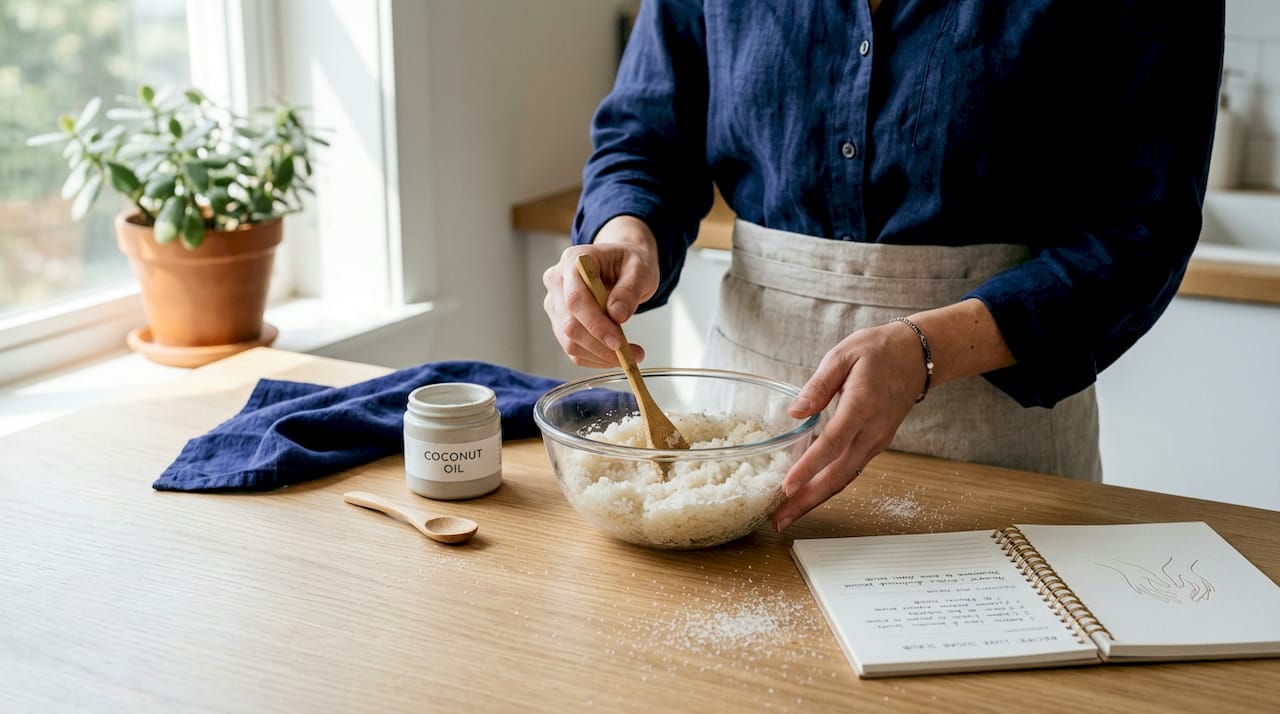
Sugar scrubs dissolve gently as you work them in, making them ideal for sensitive skin. Salt scrubs are coarser and better suited for rough areas like elbows, knees, and heels. Coffee scrubs increase circulation and leave skin feeling noticeably firmer. For all three, apply in circular motions moving from your feet upward toward your heart. This supports lymphatic drainage and adds a professional-quality feel to your DIY spa treatments.
For the face, stick to gentler options. A fine rice or oat-based physical exfoliant works well once a week. Chemical exfoliants using glycolic or lactic acid deliver more even results over time, but apply them on dry skin after cleansing and before any masks or serums.
3. Facial treatments: building your skincare ritual
A full home wellness experience for your face follows a specific sequence: cleanse, exfoliate, steam, mask, tone, serum, moisturize. Skipping steps or doing them out of order reduces results significantly.
Cleansers: Use a gentle, sulfate-free cleanser. Double-cleansing (oil cleanser then water-based) removes sunscreen and product residue more thoroughly than a single wash.
Masks: Clay masks draw out impurities and work best on oily or combination skin. Sheet masks and cream masks add hydration and work better for dry skin types.
Serums: Apply your most active products (vitamin C, retinol, hyaluronic acid) after toning and before moisturizing. They penetrate more effectively on clean, slightly damp skin.
Moisturizer: Seal everything in with a moisturizer suited to your skin type. At night, a heavier cream or facial oil adds an extra layer of recovery.
Don’t forget your lips, hands, and feet. A thick balm on the lips, followed by cotton gloves over a hand cream application, and socks over a foot cream treatment while you relax turns neglected areas into soft, cared-for ones by the time your session ends.
4. Hair treatments that actually work at home
Steam is the secret ingredient most people skip in at-home hair care. Steaming for 3 to 6 minutes opens the hair cuticle and increases the absorption of any conditioning treatment you apply.
Apply a deep conditioning mask or hair oil to damp hair before your bath. Then wrap your hair in a warm towel, or simply let the steam from your bath do the work during your soak. Leave the treatment on for at least 20 minutes. The difference in shine and softness compared to a rinse-out conditioner is noticeable after just one session.
For dry scalps, massage a small amount of warm coconut or argan oil directly into the scalp before shampooing. The massage itself increases circulation, and the oil conditions without leaving residue if rinsed well.
5. Bath enhancements and tools that upgrade the experience
A bath is not automatically a spa. What you add to it determines whether it’s a 10-minute rinse or a genuine relaxation essential.
Epsom salts: Dissolve one to two cups in warm water to ease muscle tension. Magnesium absorbs transdermally and supports overnight muscle recovery.
Bath bombs: Great for mood and color, though choose ones without synthetic dyes if your skin is sensitive.
Bathing oils: A few drops of jojoba or sweet almond oil in the water leaves skin feeling soft without a greasy film.
Botanical additions: Fresh eucalyptus tied to the showerhead, rose petals, or dried lavender transform the sensory experience without much cost.
Bath tray: A simple bamboo tray holds your book, tea, or face mask within reach. No reaching, no interruption.
Pro Tip: No bathtub? You can create aromatherapy steam in the shower in under 10 minutes by dropping diluted essential oils onto the shower floor just outside the direct water stream.
For massage tools, a few affordable options deliver meaningful results at home:
Tool | Best for | Effort level |
Foam roller | Back and leg tension relief | Low |
Gua sha stone | Facial lifting and lymphatic drainage | Medium |
Handheld massager | Neck, shoulders, and sore muscles | Low |
Pressure point ball | Foot reflexology and plantar relief | Low |
6. Creating a spa ritual: timing and mindful practices
Products do half the work. Your mindset and time structure do the other half. A full spa day at home takes 4 to 6 hours when done properly. A condensed mini-spa session can deliver real benefits in around two hours if you’re selective about what you include.
Here’s a simple structure that works:
Prepare your space (15 minutes): Set up lighting, scent, music, warm towels, and all products before starting anything.
Dry brushing or body scrub (10 minutes): Exfoliate from feet to heart to open pores and stimulate circulation.
Bath soak with hair mask (25 to 30 minutes): Combine your bath treatment with a hair conditioning mask applied before you get in.
Facial treatment sequence (20 to 25 minutes): Cleanser, steam, mask, tone, serum, moisturizer in order.
Body moisturizing and tools (15 minutes): Gua sha, foam rolling, or pressure point work while a thick body cream absorbs.
Rest period (15 to 30 minutes): Lie down, breathe slowly, and do nothing. This is not optional.
The primary enemy of relaxation is a sense of urgency. Hide your clocks. Put your phone in another room. When your nervous system knows there’s nowhere else to be, it actually releases tension instead of managing it.
Pro Tip: Gathering all products and beverages before you begin is a professional insider move. Interruptions mid-treatment spike cortisol and undo the calm you’ve built.
7. Choosing between home spa kits and building your own
Pre-assembled home spa kits are convenient and gift-well. Custom kits cost less and perform better. Here’s how to think about both.
Option | Pros | Cons |
Pre-assembled kit | Ready to go, consistent, great for gifting | May include products not suited to your skin type |
Custom kit | Tailored, better value, no wasted products | Requires more planning and research upfront |
Building a custom kit doesn’t have to be expensive. Start with three to four anchor products: a body scrub, a face mask, a bath soak, and a moisturizer. Add tools and accessories gradually. Most people find that spending $40 to $60 on targeted individual products outperforms a $75 pre-assembled set because nothing goes unused.
A few tips for smart selection:
Prioritize your focus area. If skincare is your goal, invest most of your budget in facial products. If relaxation is the goal, prioritize bath enhancements and massage tools.
Swap seasonally. In summer, lighter oils and cooling peppermint work beautifully. In winter, richer creams, warm spice scents like cinnamon and vanilla, and deeply hydrating masks make more sense.
Choose refillable and sustainable formats. Refillable scrub tins, glass serum bottles, and bamboo tools reduce waste without reducing quality.
Pro Tip: For spa product recommendations at any budget, check the ingredient list before the price tag. A $12 sugar scrub with coconut oil and vitamin E beats a $45 version with synthetic fragrance every time.
My honest take on what actually transforms a home spa day
I’ve seen people spend real money on home spa kits and still describe their spa day at home as “fine.” The products weren’t the problem. The space was.
What I’ve learned from working with hundreds of clients at Aahhrelax is that the most relaxing experiences happen when someone takes a physical space and deliberately removes everything that belongs to a workday. The phone on the counter. The to-do list on the fridge. The overhead light that turns your bathroom into an operating room. Remove those, and even a $15 bubble bath becomes something genuinely restorative.
The other thing I’ve found actually works: treating your spa ritual like a real appointment. Not something you’ll do “when you find a free hour,” but a blocked calendar event with a start time and an end time. That small act of commitment changes how your brain enters the experience.
Where most people go wrong is skipping the rest phase. Fifteen to twenty minutes of stillness after your treatments isn’t downtime. It’s when restorative benefits get consolidated. You wouldn’t leave a massage table the second the therapist finished. Don’t do it at home either.
Start small. Pick two or three sensory changes this week. Then build from there. The best home wellness experience you’ll ever have isn’t one big overhaul. It’s consistent small rituals done with full attention.
— AahRelax
Take your home spa routine further with Aahhrelax
Your DIY spa treatments can go a long way. And sometimes, the most luxurious thing you can do is let a professional handle the part that’s genuinely hard to do yourself.
Aahhrelax brings licensed massage therapists directly to your home across Los Angeles County and Orange County. Whether you want to round off your spa day with a full 90-minute massage, treat a group with mobile group treatments, or book a chair massage at home for something quick and deeply effective, the experience is professional, personalized, and comes to you. Tips are included, scheduling is simple, and the home massage benefits speak for themselves. Book your next session at aahhrelax.com and let the real pampering begin.
FAQ
What are the most important at-home spa experience essentials?
The core essentials are: warm, dimmable lighting; a calming scent like lavender or eucalyptus; a body scrub; a face mask; a bath soak; and a quality moisturizer. Sensory layering across sight, smell, and touch creates the spa atmosphere that products alone cannot deliver.
How long should a spa day at home take?
A full spa day at home takes 4 to 6 hours to complete all treatments properly, including a 15 to 30 minute rest period at the end. A condensed session focused on key treatments can be effective in around two hours.
Can you create a spa experience at home without a bathtub?
Yes. Essential oil steam sprays in the shower replicate aromatherapy benefits in under 10 minutes. Pair this with a full facial treatment, body scrub, and massage tools for a complete spa experience without a tub.
Are pre-assembled home spa kits worth buying?
They’re convenient and great as gifts, but a custom kit built around your skin type and preferences typically delivers better results for the same or lower cost. Start with a scrub, mask, soak, and moisturizer tailored to your needs.
What is the right bath water temperature for a home spa?
Bath water at 98 to 100°F is the ideal range for relaxation without causing tension or overheating. Keep the room between 68 and 72°F for full comfort throughout your session.
Recommended


Comments